

Digital clutter and organization are right up there with junk drawers and overflowing closets — out of sight, out of mind. Until the day comes when you run out of storage space. For the tangible clutter, you have to decide whether to move to a bigger house or clean out the closets.
The same is true for iPhone storage. When you start running low on space, you have to decide whether to clear out the digital clutter, upgrade to an iPhone with a larger capacity, or buy more storage with a cloud-based service. Try storage optimization first. Just follow these 7 tips before you upgrade your iCloud plan or decide to invest in a new iPhone.
Optimize your iPhone storage today
Before you decide to splurge on a new iPhone with even more storage capacity or a costly iCloud subscription, take a look at what’s actually taking up space on your iPhone so you can delete things you don’t need.
Find out how much storage is left on your iPhone
Wondering what your iPhone is using all that space for? Here’s how to find out:
- Navigate to Settings on your iPhone.
- Tap General > iPhone Storage — this will show you a graph with how much space different categories are taking up on your iPhone, so you know where to put your effort.
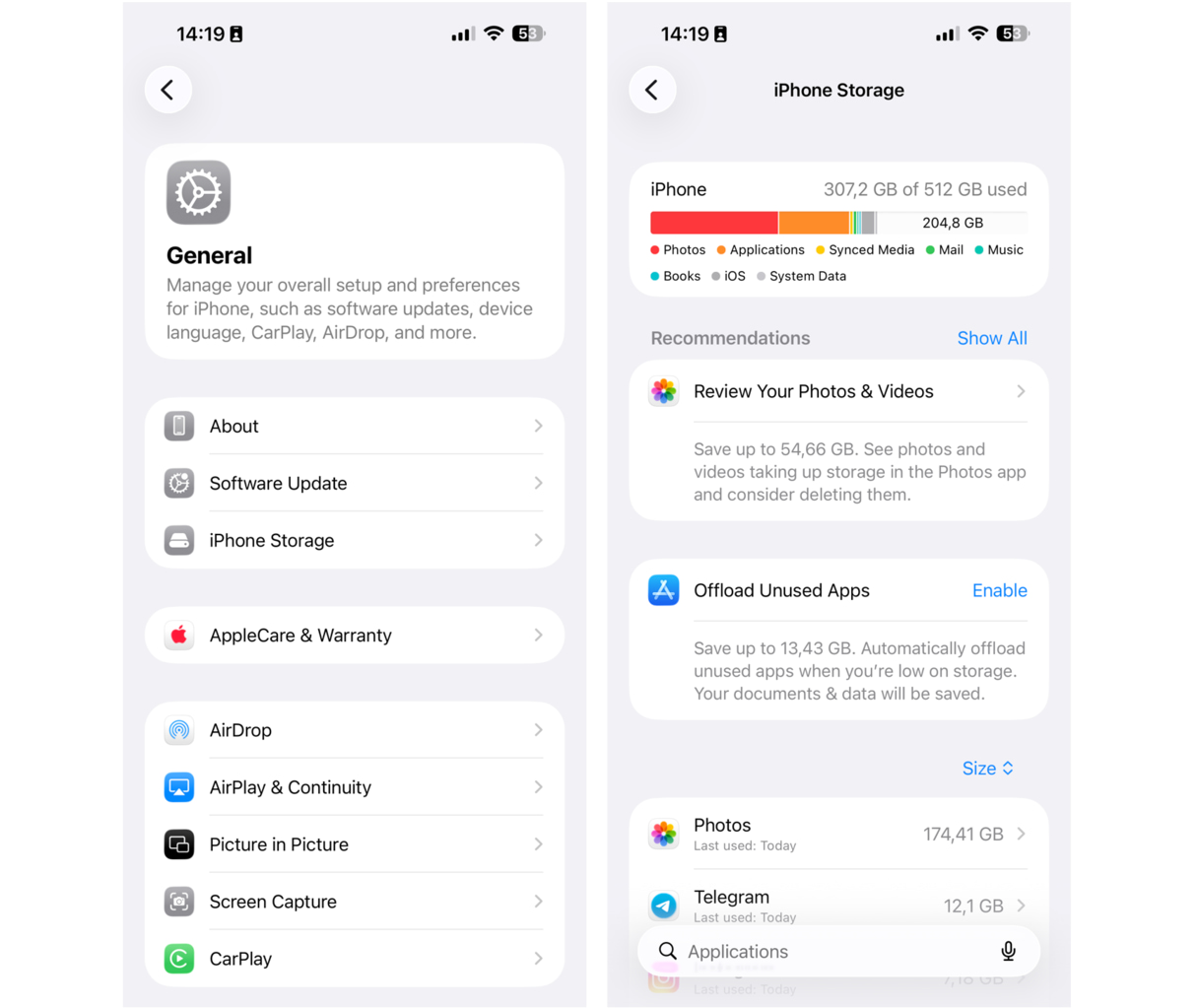
From this screen, you can manage some of your storage woes, like reviewing large attachments in Messages, sorting apps based on how much space they take up, and offloading or deleting apps you don’t use. We’ll go into those in more detail below.
How to optimize storage on iPhone
Several things can be done to optimize your storage, from deleting old apps and photos to changing specific settings. Obviously, getting rid of things you no longer need is the fastest way to declutter space on your iPhone. However, even the simplest steps have tips and tricks that not everybody knows about.
1. Clean up iPhone storage
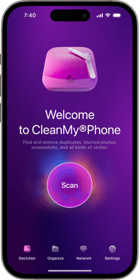
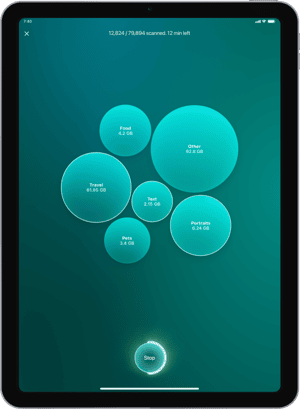
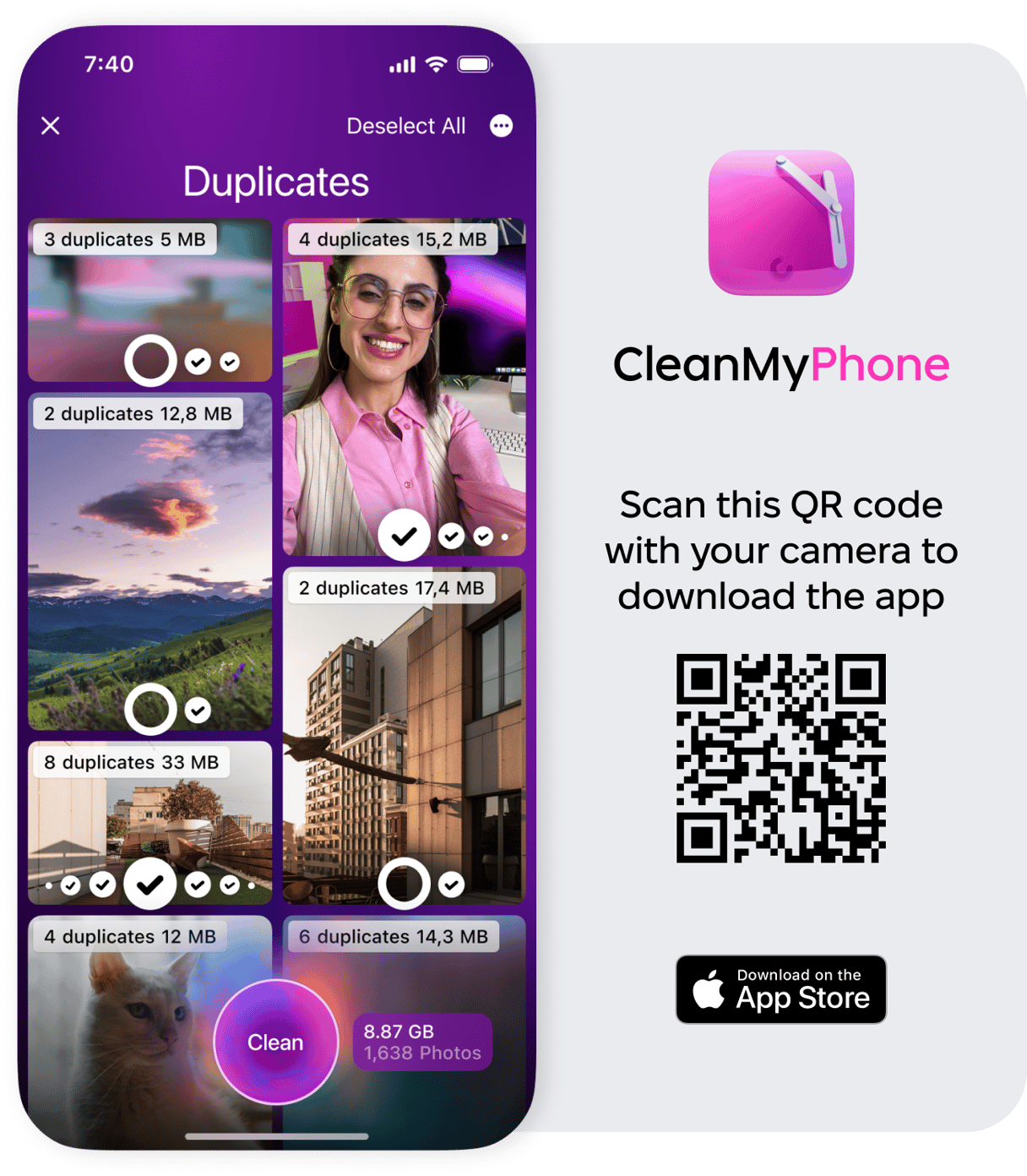
Next, take some time to declutter your iPhone. With CleanMy®Phone, you can quickly clean up some space on your device. It scans your iPhone and divides the clutter into categories, including duplicate photos, screenshots, and screen recordings, so you can quickly decide what you want to keep and what you want to get rid of.
Here’s how to use it:
- Open CleanMy®Phone and allow it full access to your library — worry not, with on-device scanning, it is safe.
- Tap Declutter.
- Check the categories of clutter and deselect everything you want to keep. For example, choose Duplicates.
- Once happy with the selection, tap Clean — it is all now sent to the Recently Deleted album in your Photos app.
- Empty the Recently Deleted album.
2. How to delete or offload unused apps on your iPhone
If your apps are taking up lots of space on your iPhone, it’s time to take a look at the ones you never or rarely use.
When you look at your iPhone Storage screen, the apps will be sorted by size, with the ones taking up the most space at the top. Underneath each app, you will see the last time you used it. If it’s been months and months, you can safely offload that app, which will remove the app from your iPhone but keep your data intact.
If you never use an app, you can choose to delete it completely, which will remove the app and delete the data from your iPhone.
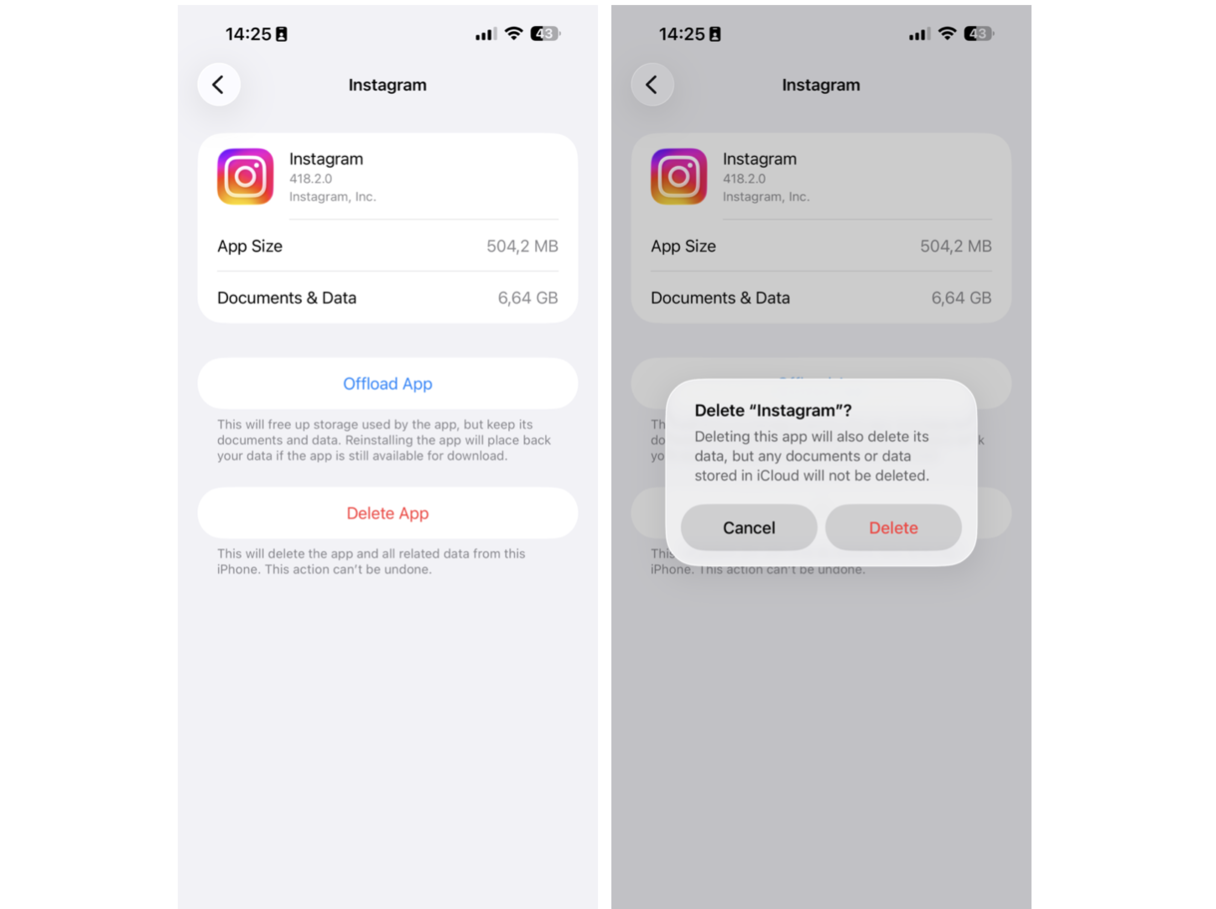
Here’s how to delete or offload an app from your iPhone:
- Navigate to Settings.
- Tap General and then iPhone Storage.
- Scroll through your apps and tap on one that you want to get rid of.
- Choose Offload App or Delete App.
- Confirm your decision by tapping your choice one more time.
3. Optimize photos on your iPhone
High-quality photos take up a lot of space on your iPhone, but you can change the settings so that your iPhone is optimizing space while reducing the file size of photos.
If your phone is running low on space, you can choose to optimize your storage so that your iPhone keeps low-resolution versions of photos on your device, and the full-size version remains in iCloud.
Follow these steps to optimize your photo storage on your iPhone:
- Go to Settings on your iPhone.
- Scroll to Apps
- Choose Photos > Optimize iPhone Storage.
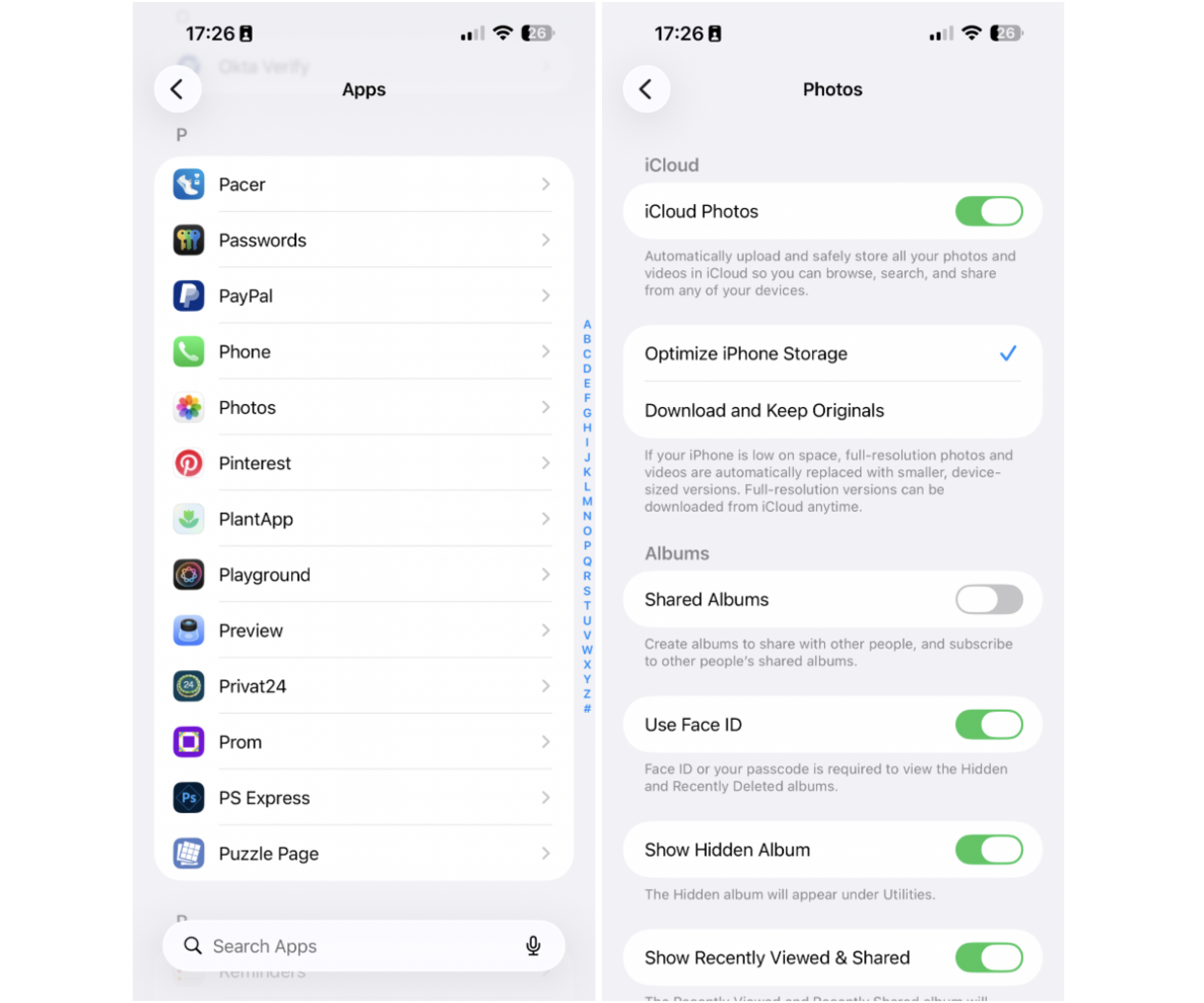
Note: You will see this option only if iCloud Photos is enabled.
Extra tip: Compress large videos, delete screen recordings, and turn Live photos to still
If you want to take iPhone storage optimization to a new level, run CleanMy®Phone once again.
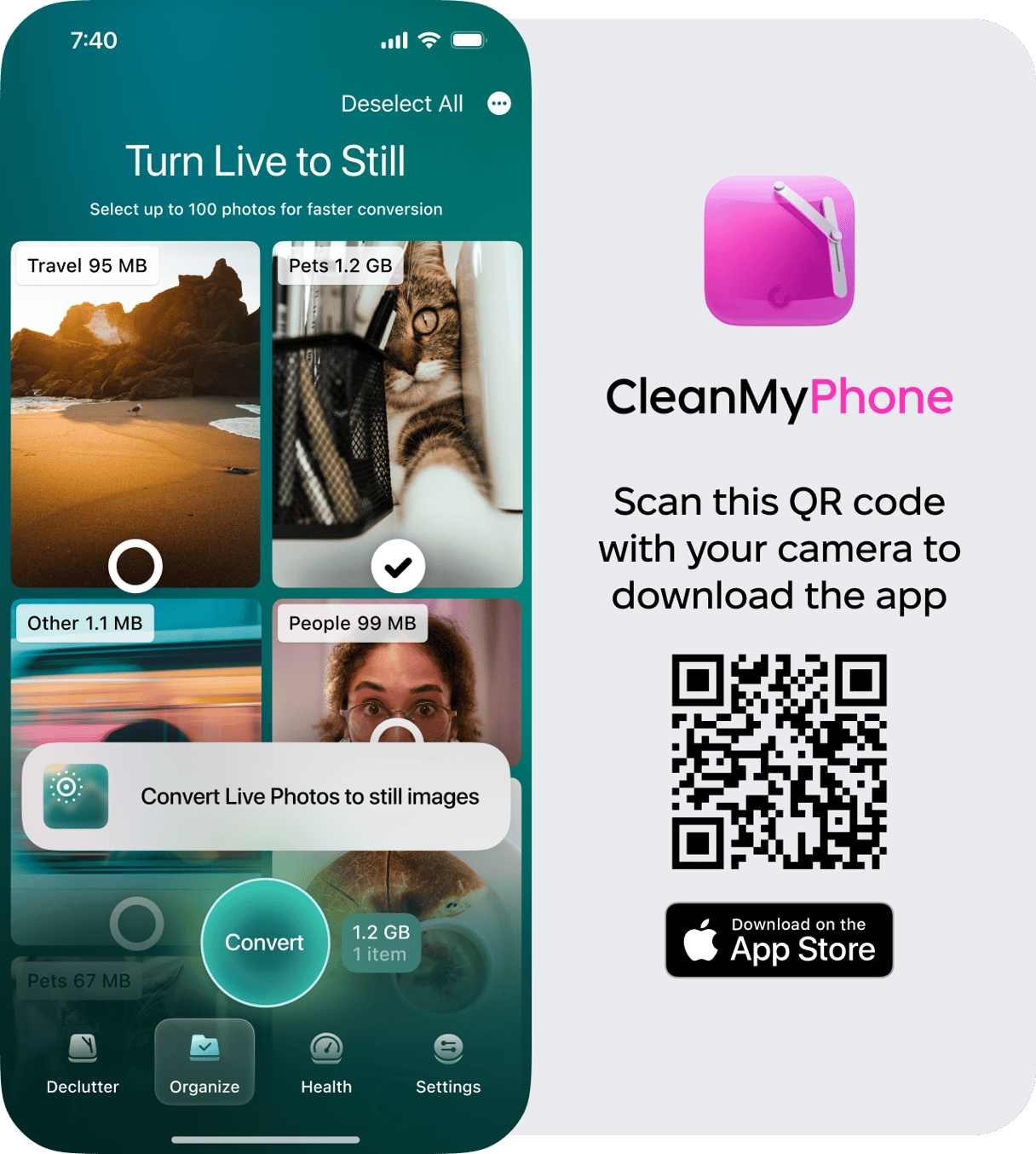
In the Organize module, you can also turn your Live Photos to Still. Just select photos you want to convert (up to 200 images in each batch). CleanMy®Phone will save the still photo while the Live version will go to the Recently deleted folder. Also, you can compress the largest videos — up to 10 videos at a time — using the same tool.
Then, you can then tap Declutter and check your screen recordings that are probably wasting your storage space. You can also delete there other clutter like duplicates, blurred images, largest videos, screenshots, and more. Give your library a proper cleanup and see how much space you can free up with CleanMy®Phone. Maybe you won’t even need to buy additional storage afterward.
4. Optimize camera settings on your iPhone
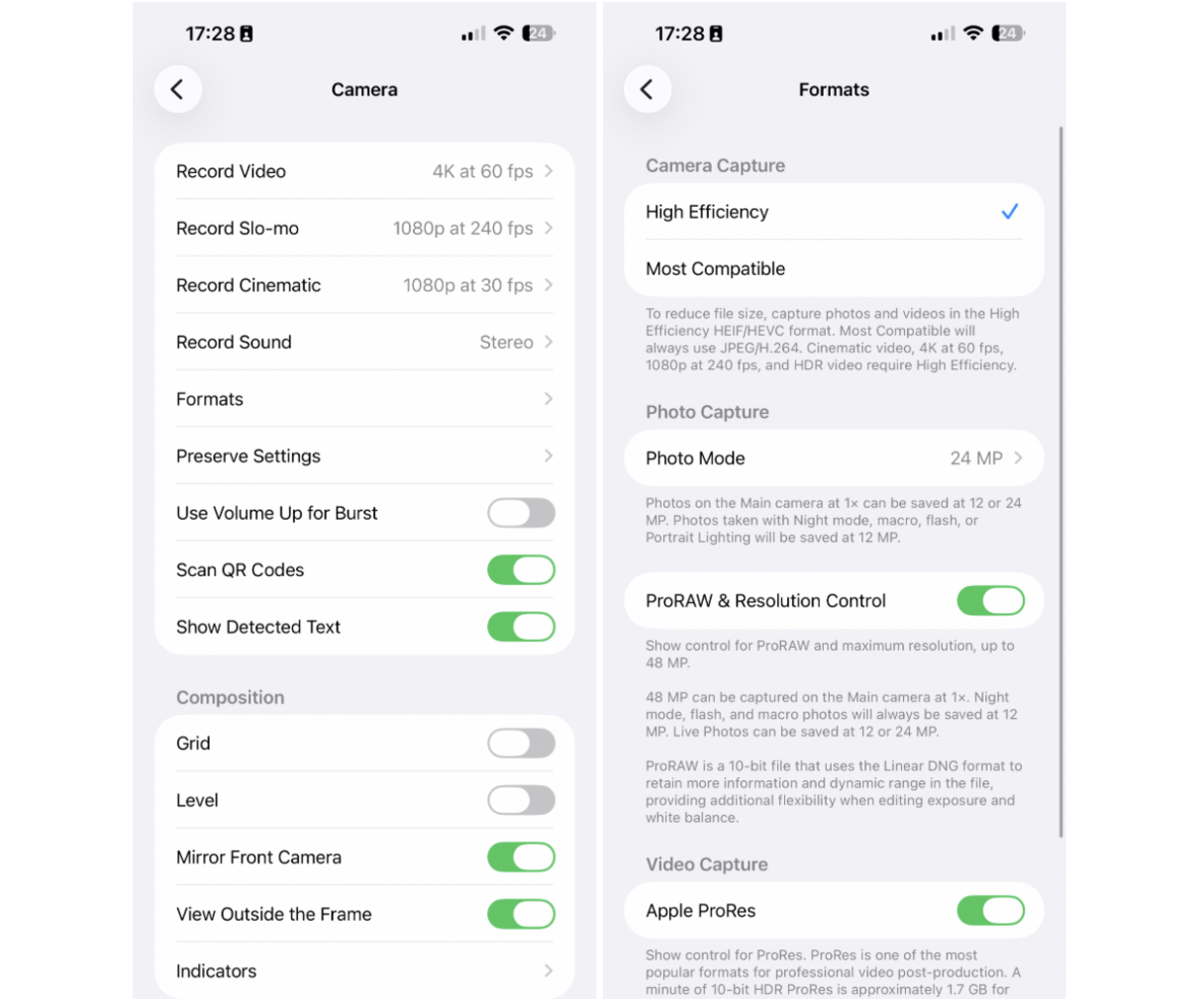
In addition to optimizing the photos you’ve already taken, you can also choose to limit the file size of any new photos you take with your iPhone camera. New iPhones save photo files as a .heif instead of .jpeg, which stands for High Efficiency. This new file format allows you to take high-resolution photos with the lowest possible file size, which is a great way to optimize your iPhone storage.
Here’s how to enable it on your iPhone’s camera settings:
- Navigate to Settings on your iPhone.
- Tap Camera > Formats.
- Choose High Efficiency.
5. Delete downloaded music and podcasts
Sure, downloading your music and podcasts from Spotify or Apple Music will save on data fees, but they also take up a lot of space on your phone. When you are finished with a podcast or tired of an album, be sure to delete the downloaded files from your iPhone to save space. Here’s how to do it:
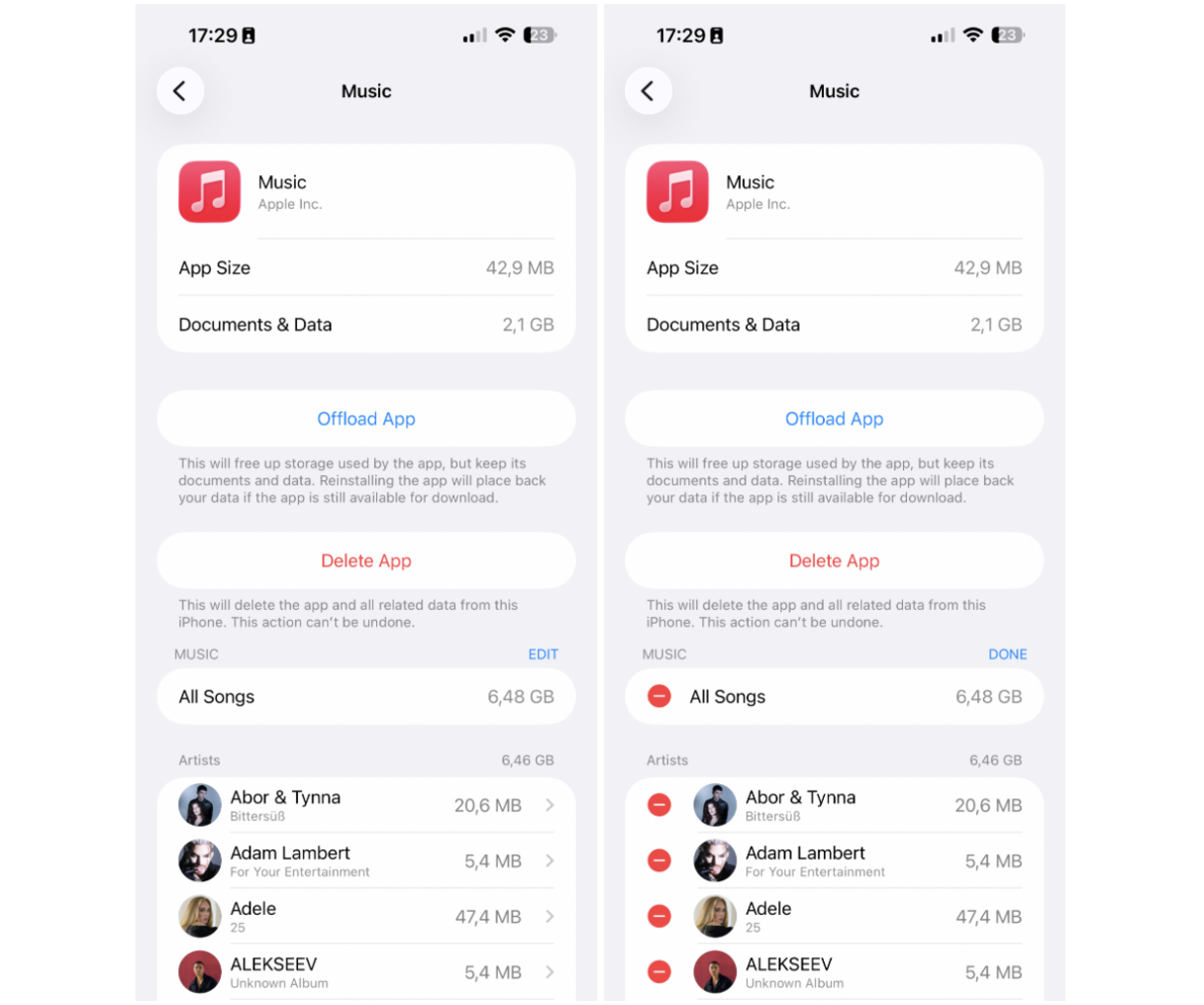
Delete unwanted music from your iPhone:
- Go to Settings on your iPhone.
- Tap General > iPhone Storage.
- Tap Music and then Edit.
- Select the red minus sign next to an artist’s name and tap Delete.
- You can do the same with other apps like Amazon Music or Spotify.
Delete podcasts from your iPhone:
- Go to Podcasts on your iPhone.
- Tap Downloaded.
- Swipe left across the podcasts that you want to delete.
- You can automatically delete episodes after you listen to them by going to Settings > Podcasts > Delete Played Episodes.
6. Transfer photos and videos to your computer using a cable
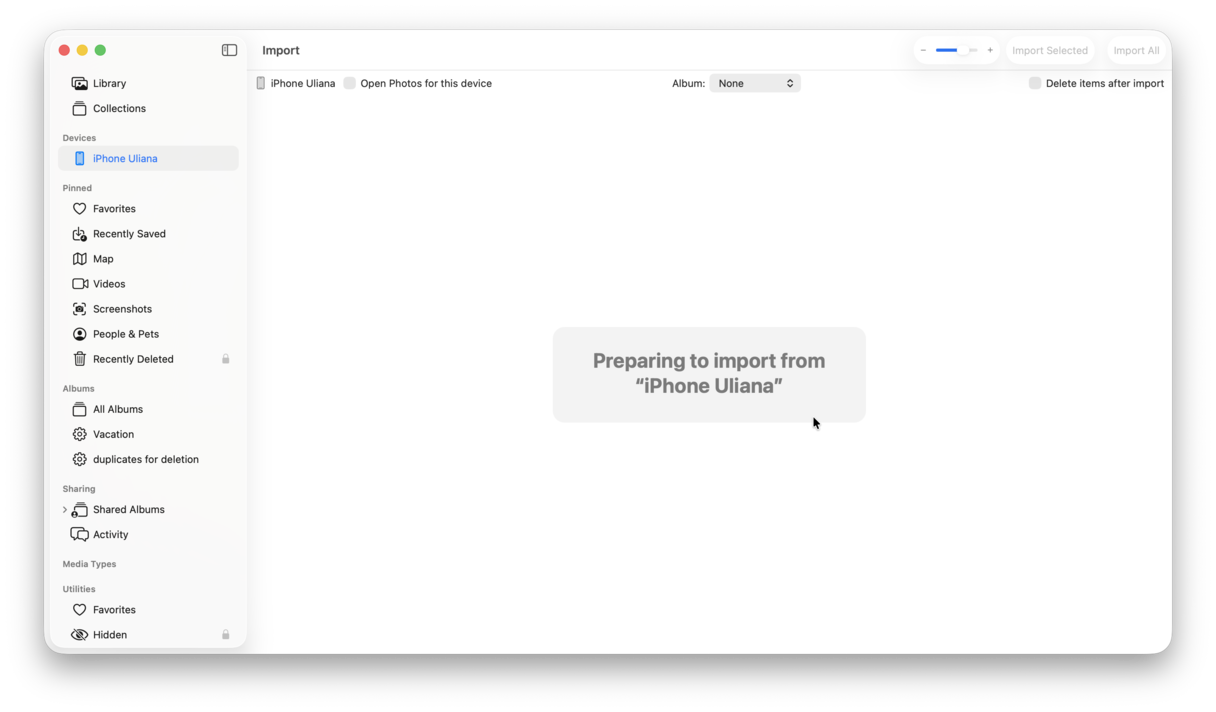
If you don’t want to store your files in the cloud, you can transfer them to your computer. Here’s how to import photos and videos directly to your Mac with a USB cable.
- Connect your iPhone to your Mac with a USB or USB-C cable, depending on the model of your iPhone and Mac.
- Open the Photos app on your Mac.
- The import screen should open automatically, but if it doesn’t, just click the name of your iPhone from the sidebar.
- You may also need to unlock your iPhone using your passcode and click Trust if you haven’t connected for a while.
- Click the drop-down menu next to Import to, and choose an album where you want to save your photos and videos.
- Select the photos you want to import and click Import Selected. You can also choose to Import All New Items.
7. Buy a flash drive to store your photos and videos
If you find yourself constantly upgrading your cloud service so you can fit more and more photos and videos, you may want to buy a dedicated flash drive to store your files before deleting them from your iPhone.
This SanDisk 128GB iXpand Flash Drive Luxe for iPhone is great for storing all those cat videos. The only danger is that flash drives are easy to misplace, and if you haven’t stored your files in the cloud, then a physical loss is a permanent loss.
If optimization failed: Buy more iCloud storage
iCloud is the most convenient way to store large files. All iPhones come with 5 GB of free storage space, but as I’m sure you know, that gets used up pretty quickly. For a fee, you can upgrade to iCloud+, which expands your storage to up to 12 TB.
The nice thing about iCloud+ is that it allows you to access all of your files, photos, and videos from any device connected to your account. That means you can view your files on your iPhone, your iPad, or your computer. iCloud also backs up your devices, so if you lose one, you don’t lose all your data.
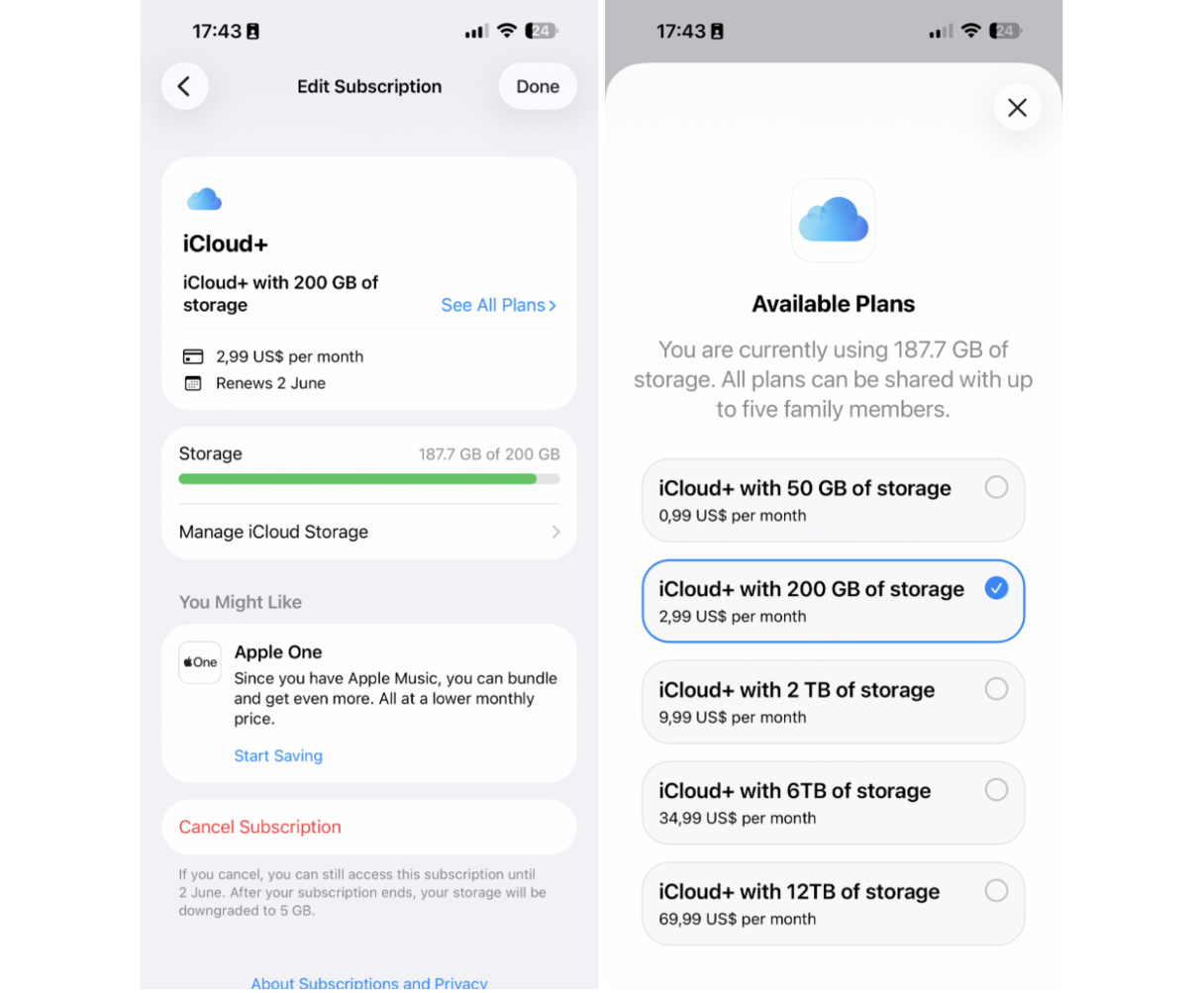
Here’s how to buy more storage on iPhone through iCloud:
- Navigate to Settings on your iPhone.
- Tap your name to open up your Apple Account.
- Tap iCloud > Manage Plan > See All Plans.
- Choose a plan from the Upgrade Options based on what you need for storage and confirm your purchase.
- Apple will charge the credit card you have on file for your Apple account.
Following the steps above will help you easily optimize your iPhone storage to save time, money, and space. Here are a few more detailed tips on cleaning up your iPhone clutter.