MacBook Neo comes with 8 GB of memory, MacBook Air starts at 16 GB, and Mac Studio can be configured with up to 512 GB. Although macOS manages memory pretty well, the memory your Mac has may not be enough for resource-hungry apps. So, over time, your Mac may become painfully slow. One option is a memory-cleaning app that frees up RAM. Not sure which one to choose? Consider basic and additional functionality, safety, and price of the app. Start with the top 9 best Mac memory cleaners we’ve tested for you. We used them on a MacBook Pro running macOS Golden Gate.
CleanMyMac, the first app on our list, is made by MacPaw, the publisher of this article.
How often do I need to free up RAM on Mac?
It all depends. It may be that you do not need to do it at all if you are a casual user or as long as you restart your Mac, say, once a week. However, you should free up RAM if you experience one or several of the following symptoms:
- Your Mac feels slower than before and lags.
- Apps are either crashing or not responding.
- Memory Pressure in Activity Monitor turns yellow or red.
If you’ve noticed some of them, free up RAM whenever they emerge. Also, if you are a power user, it is a good idea to do it before running resource-intensive apps (like video or photo editors) or before gaming.
1. CleanMyMac
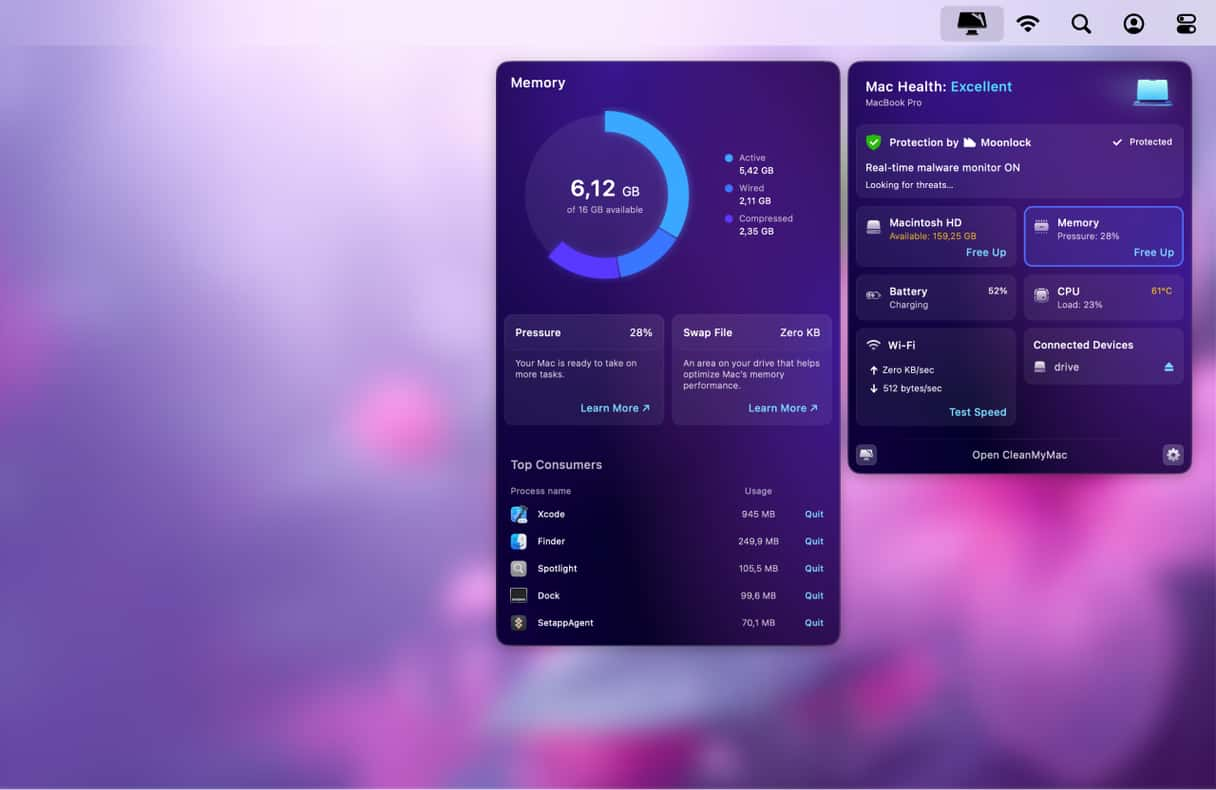
CleanMyMac allows you to clean up RAM using its Menu — see the screenshot above. It calculates memory pressure and lets you free up some memory with a click. You’ll see main resource hoggers and will be able to quit them.
RAM Monitor that comes with CleanMyMac can help you better understand how memory is allocated on your Mac. The app is notarized by Apple, which means Apple checked it for malicious software and found none. Get a free trial to try out all features. And if you need to free up storage space quickly, this app does it, too, as well as repairs disk permissions and runs other maintenance tasks.
Price: $39.95/year
Pros
- Combines memory monitoring with cleanup, protection, and uninstaller tools
Cons
- Does not have a tool for detecting duplicate files available from CleanMyMac Menu (has one in the My Clutter tool of the app, though)
2. Memory Meter 3 (formerly Memory Clean 3)
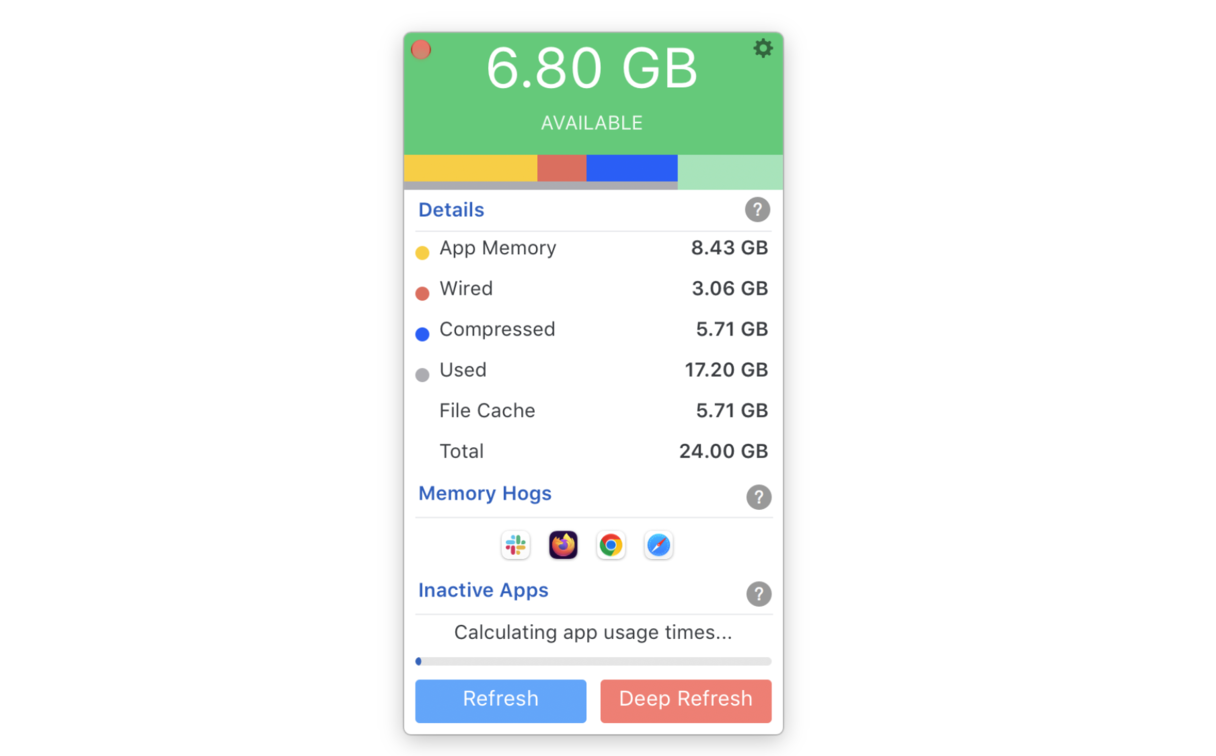
Memory Meter 3 is a menu bar item that shows how much memory you have available and what is occupying the rest. It also displays the apps that are eating out your Mac’s resources and inactive apps occupying RAM. There are two options for cleaning: Refresh and Deep Refresh, and you can also set Memory Meter 3 to free up RAM automatically when available memory drops below a level you choose, so you never have to think about it.
Price: $9.99
Pros
- Easy-to-use app with a user-friendly design
Cons
- A free trial comes with limited features
3. CCleaner
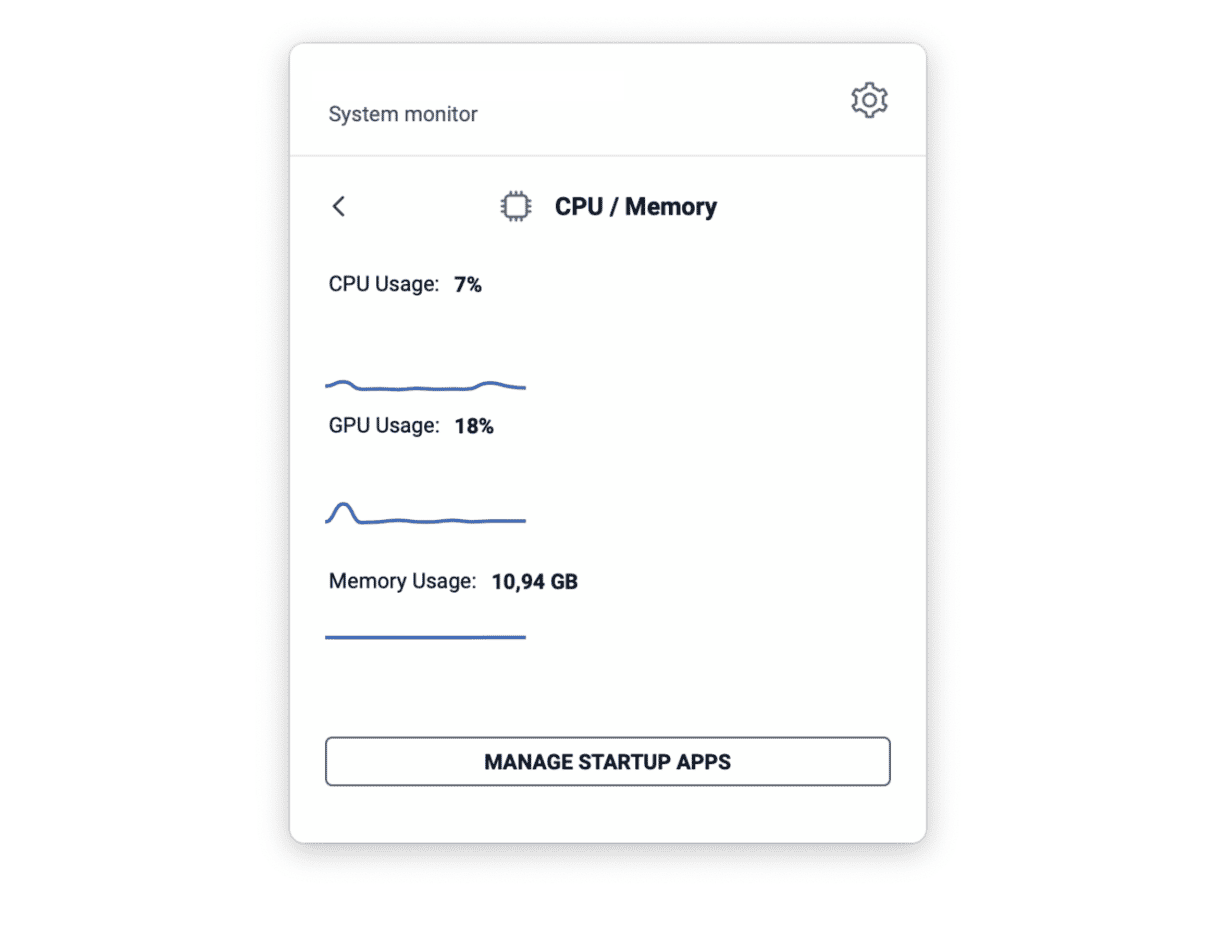
It is a RAM cleaner for Mac that comes with a menu bar item. The app aims at cleaning your Mac in addition to other valuable tools that can help monitor system status, such as CPU load and storage availability.
Price: $44.95/year
Pros
- One-click memory cleaner
Cons
- Limited functionality of the free version
4. Nektony Memory Cleaner
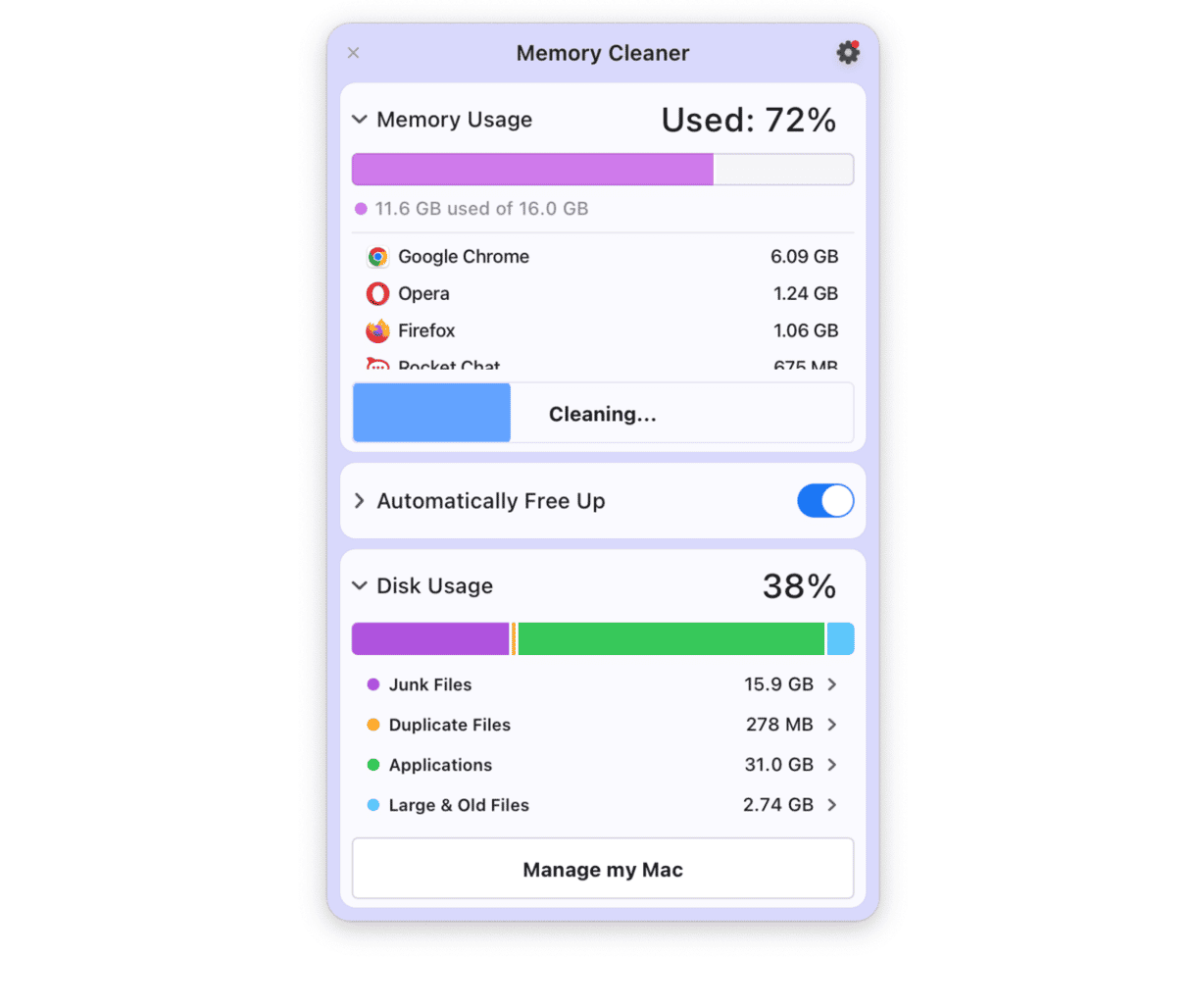
Memory Cleaner is also a menu bar app with a clear, easy-to-read dashboard-style layout. When you click on it, Memory Cleaner displays how much RAM you have in use as a percentage of the total, as well as the apps that are using the most memory. You can then free up RAM with one click.
Memory Cleaner also shows you how much space is being used by junk files on your Mac and allows you to free some of that space up, too.
Price: Free
Pros
- Has a feature for automatic memory cleaning
Cons
- A free version offers limited functionality — payment is needed to run the Disk Usage panel
5. Cleaner One Pro
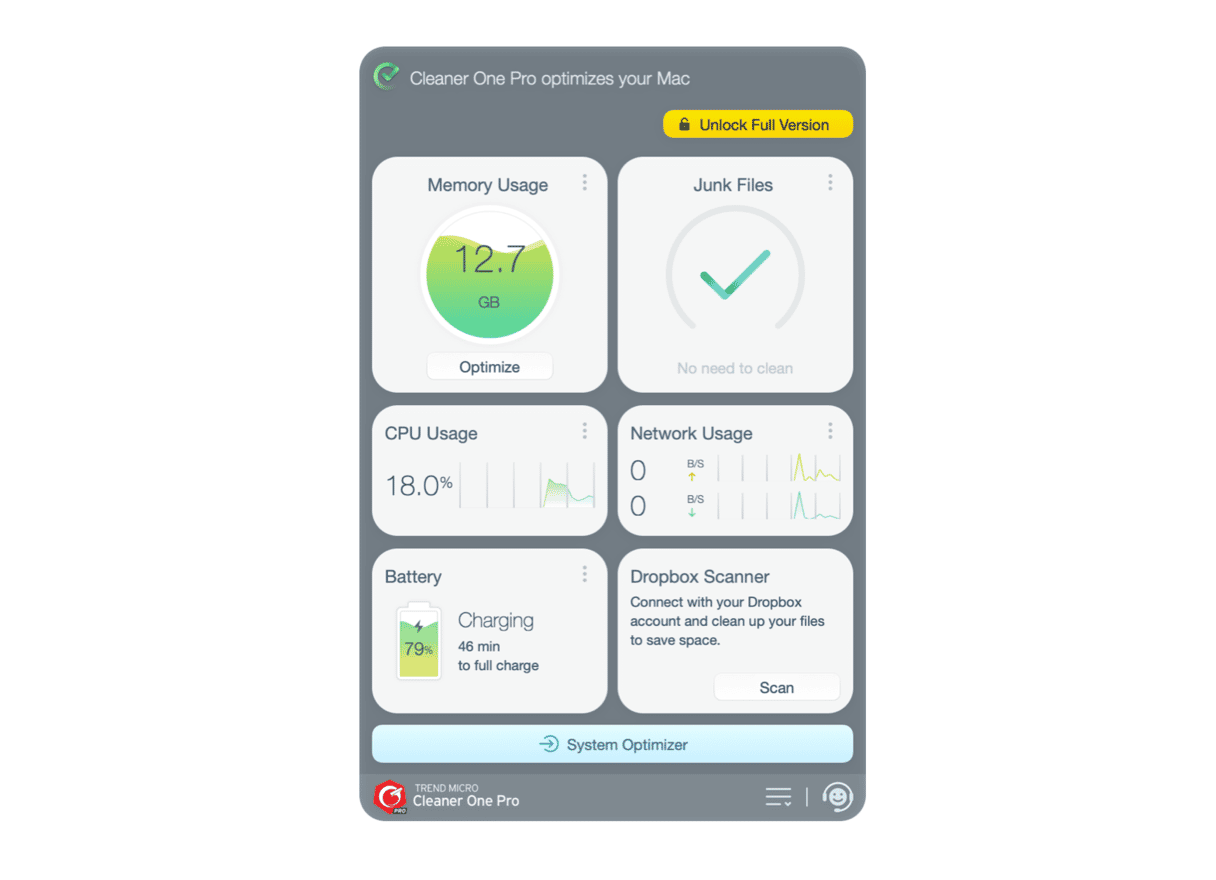
It is a Mac cleaner app that has a convenient and ready-to-use menu bar item. Known as Toolbar, it lets you monitor memory and CPU consumption as well as network usage. It also scans your Mac for junk files, making it possible to delete them right away from the tool. Cleaner One Pro is also available on the App Store, where Apple reviews each app before accepting it.
Price: $24.99/year
Pros
- One-click RAM cleaner for Mac
Cons
- Removing apps and their leftover files needs the paid version
6. Memory Diag
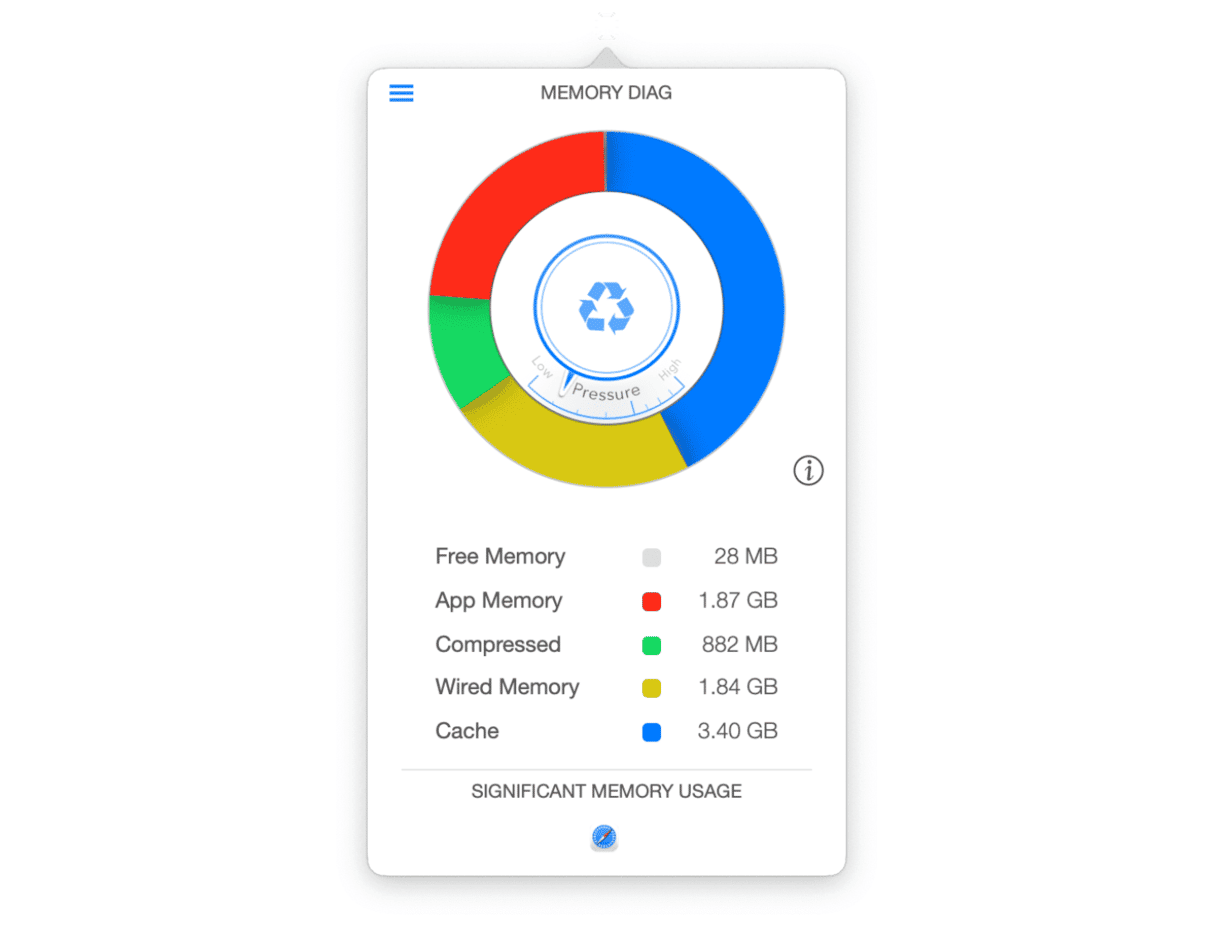
Memory Diag is a RAM cleaning tool that not only looks good but does a great job of letting you know when memory is running low. Like others on this list, it’s a menu bar item. In this case, it displays what it calls a memory pressure graph that’s color-coded so you can easily see how much memory your Mac has free. If it’s in the green, no problem. If the meter is deep in the red, though, it’s time to press the recycle button to free up memory. Memory Diag also shows you which apps are taking up most RAM.
Price: Free
Pros
- A free tool that can list apps using significant memory
Cons
- Requires macOS 13.5 or later
7. AppYogi Memory Cleaner
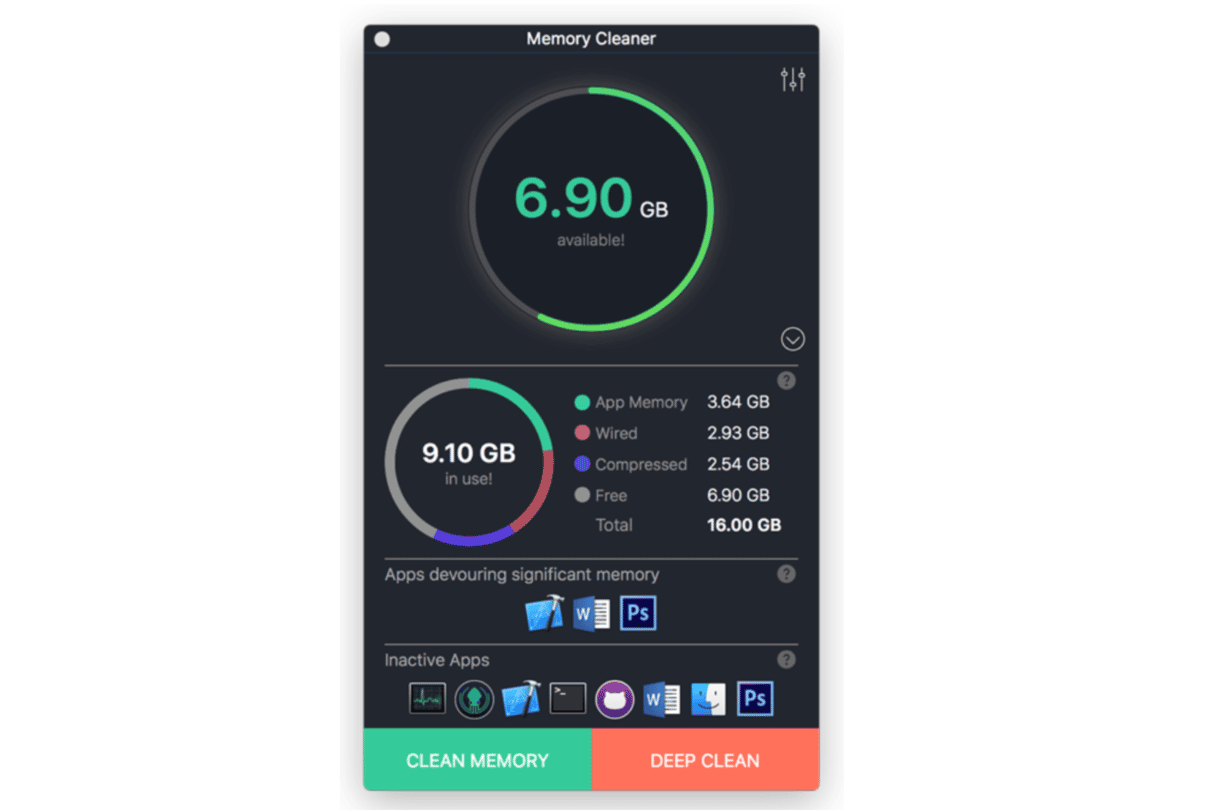
One of the many apps developed by AppYogi, it is designed to monitor RAM usage. It scans Mac for memory usage and heavy consumption by apps. The app provides a graphical overview of RAM usage, so you’ll see how much RAM is still free.
Price: $9.99
Pros
- Comes with the Intense Optimize feature
Cons
- Payment is required after the free trial
8. Memory Check
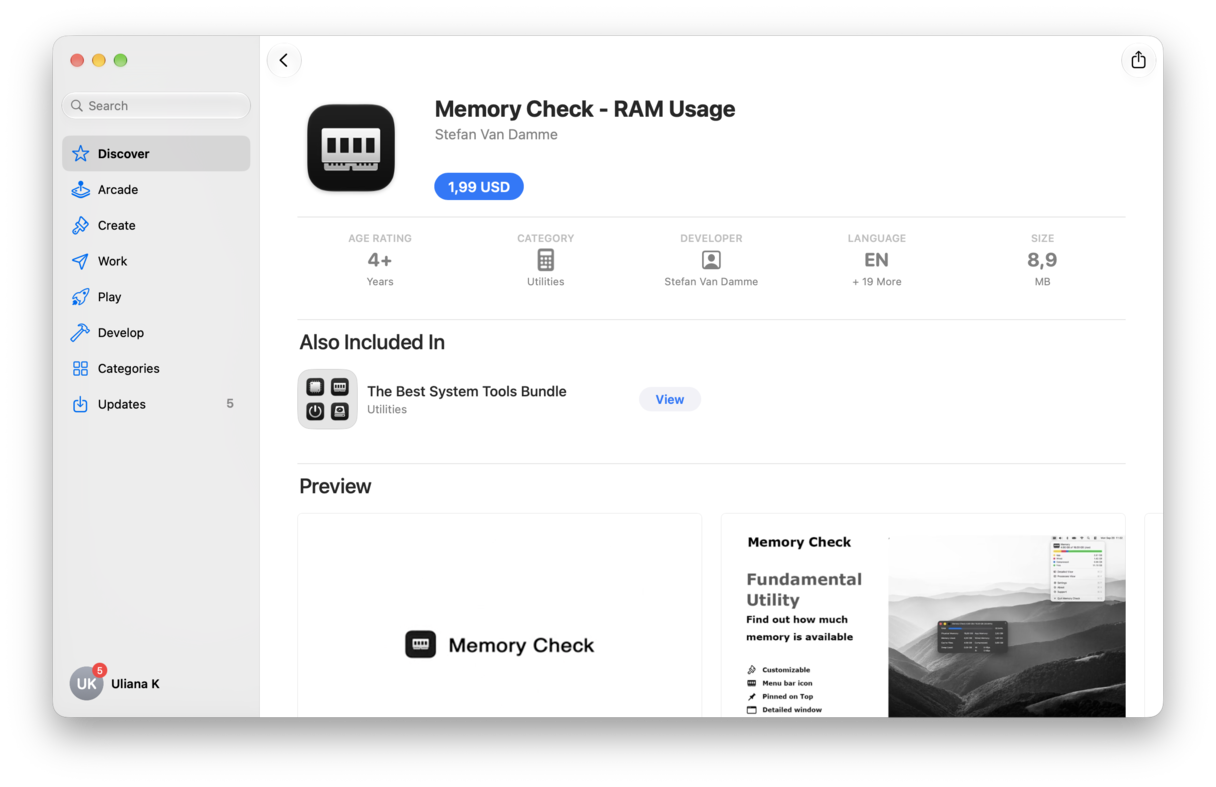
Memory Check can display a memory meter in your menu bar showing the percentage of memory currently in use. It will also warn you when memory usage goes beyond a certain level. There’s a Notification Center widget and support for Dark Mode.
Price: $1.99
Pros
- Available on the App Store
Cons
- No free download available
9. SharpLynx
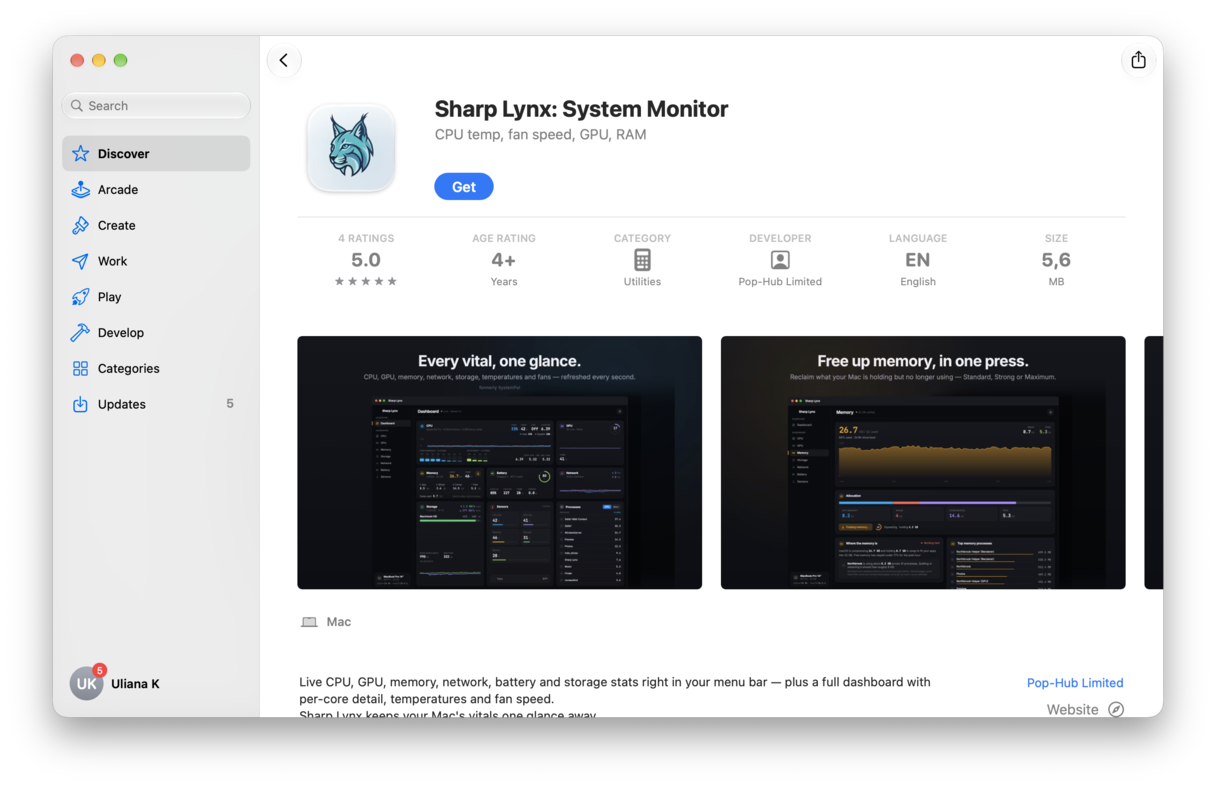
Sharp Lynx combines a memory monitor and cleaning tool with CPU, GPU, network, storage, and battery monitors. The memory monitor shows how memory is split between apps, wired, compressed, and free memory and lists the most memory-hungry processes currently running. There’s also a button to free up memory.
Price: Free
Pros
- Offers numerous tools for monitoring system status
Cons
- Requires macOS 14 or later and a Mac with Apple silicon (M1 or later)
Alternatives to using a Mac memory cleaner
If you are wondering whether there is an alternative to using a RAM cleaner on Mac, the answer is yes. macOS manages memory on its own, and Apple’s advice for a slow Mac includes quitting apps you aren’t using. Here's what to try:
✅ Restart your Mac — do it weekly for Mac maintenance.
✅ Close unneeded browser tabs and quit apps you do not use.
✅ Keep your macOS up-to-date.
✅ Disable unnecessary login items and background activity in System Settings > General > Login Items & Extensions.
✅ Test different browsers and choose the best one for you — Safari is generally more energy-efficient than other browsers (including Chrome), but some users share that it eats up more RAM that the alternatives.
✅ Run the sudo purge command in Terminal to empty the disk cache macOS keeps in memory (it doesn’t free memory that apps are using) — note that it is better to not run it too often, and your Mac may be slower at first.
✅ Flush memory before running intensive apps like video editing, Adobe Creative Cloud tools, or virtual machines.
There we have it. This was our take on Mac memory cleaners. Of course, there are other apps on the market. Choose whichever seems more convenient to you, but remember to download only trusted software. If you notice that high memory usage has become a common problem, learn more about how to lower RAM usage and how to upgrade RAM on Mac.
Frequently asked questions about Mac memory cleaners
Do I need a memory cleaner for Mac?
Yes and no. macOS is generally good at managing memory, so you may need a memory cleaner only if your Mac becomes sluggish or unresponsive and apps start freezing.
Are Mac cleaning apps safe?
Like with any other apps, it all depends. Regardless of which one you choose, make sure to research it first and then get it from the App Store or the developer’s official website, not a freeware platform. Apple says the App Store is the safest place to get apps for your Mac.
What do I look at in the Activity Monitor?
Check out the Memory tab and pay specific attention to the Memory Pressure graph. If it is green, your Mac is using its RAM efficiently. Yellow means your Mac might eventually need more RAM, and red means it needs more RAM. Start by quitting apps you aren’t using. Also, next to the graph, you will see a breakdown of memory: physical memory (the RAM installed), memory used, app memory (used by apps), wired memory (required by the system, so it can’t be cached or used by other apps), compressed (memory that macOS compresses to make more RAM available), cached files (files the system keeps in unused memory to improve performance) and swap used (space on your startup disk that macOS uses to swap unused files to and from RAM).
How does macOS manage memory?
macOS constantly makes adjustments between file cache, compressed memory, and swap to maximize the performance of the system as well as the apps you run.
Why does macOS use cached files?
macOS caches a lot of stuff all the time to make apps or processes launch faster and ensure that the system works smoothly.